



Blog entry of 20 Mar 2026
Turbocharger Repair Kit Guide: Restoring Boost and Engine Efficiency
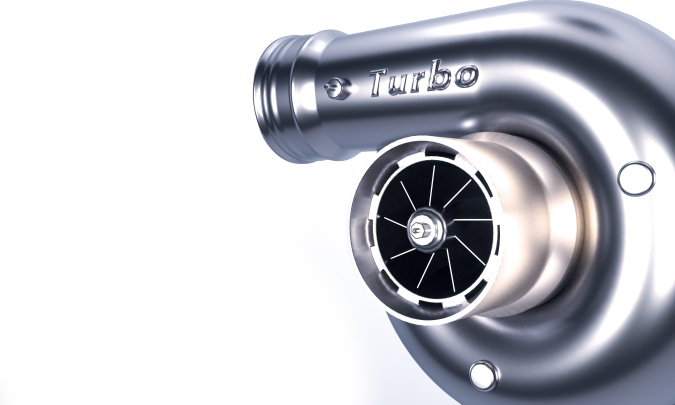
Foto: © pixabay
Turbocharger Operation
Exhaust gases spin a turbine connected to a compressor. The compressor pressurizes intake air to produce higher oxygen levels for combustion. The shaft rotates at tens of thousands of rpm. The bearings support the shaft while the seals prevent oil and airflow from escaping. Proper function requires aligned parts, balanced components, and lubricated components. The worn parts of the system reduce boost performance and reduce efficiency and compromise engine reliability.
Common Failures
Turbo failures occur because of mechanical problems or lubrication difficulties. The combination of heat, high-speed operation, and load pressure leads to accelerated wear on the unit. The following list shows common types of turbocharger assembly failures that occur during operation:
- Shaft play from worn bearings causes vibration.
- Oil leaks from degraded seals.
- Damaged turbine or compressor blades.
- Boost loss from internal leakage.
- Contaminant damage from dirt, carbon, or metal particles.
Symptoms include reduced engine power, exhaust smoke, rattling noises, and fault codes. Ignored failures may destroy the turbo or engine.
Turbocharger Repair Kit Contents
A rebuild kit replaces high-wear modules. It contains bearings (journal or ball), oil and air seals, thrust collars and washers, and shaft and turbine hardware.
All parts are precision-machined and heat-resistant. Kits are used when the housing and wheels are intact. Full turbo replacement is needed only if wheels, housing, or flange connections are cracked or deformed. Proper installation achieves correct shaft alignment and perfect airtight sealing and balanced rotational movement.
Rebuild Process
The turbo must be taken apart so its components can be examined. The procedure requires the replacement of all components that have experienced wear, including bearings, seals, and thrust components. All surfaces must be cleaned to remove oil, carbon, and debris.
The team will proceed to install the shaft after they complete the installation of fresh bearings and thrust collars. They will perform both measurement and adjustment procedures for all existing clearances. The technicians will verify the balance of both the turbine and compressor wheel.
Rotation and free play tests, as well as leak detection, will be conducted after assembly work is completed. The right balancing method guarantees that the equipment will function without vibrations when it operates at high rotational speeds. The final inspection process confirms three elements: correct shaft alignment, proper bearing lubrication, and airtight sealing.
Benefits of a Rebuild Kit
A worn turbo reduces engine power, increases oil consumption, and causes vibration. Replacing only the worn components restores proper function without discarding intact parts. Using a rebuild kit addresses the root causes of turbo failure efficiently. Repair kits restore turbo function at a lower cost compared to full replacement. Benefits:
- Recovered boost and engine power.
- Reduced oil consumption and smoke.
- Elimination of shaft play and vibration.
- Extended turbo lifespan.
- Retention of the original housing.
Rebuilding reduces material and labor costs. Correct installation restores efficiency, prevents engine stress, and avoids premature failure. Kits reuse intact housings while replacing only worn parts.
Turbocharger failures stem from bearing wear, seal degradation, and turbine imbalance. Shaft play, boost loss, and oil leaks indicate worn internal parts. Rebuild kits substitute existing bearings and seals together with thrust components, while they rebuild airflow and maintain shaft alignment and enhance engine performance.
The rebuilding process enables engine power recovery together with boost stabilization and extended operational life without needing to replace the entire turbo system. The correct installation process establishes an airtight seal that maintains rotational balance while providing dependable performance for turbochargers that have experienced wear or partial damage.